Table Of Content
Mold can have a musty, sweet, or earthy smell caused by mVOCs. These compounds can have a negative effect on health, so it's important to address mold if you see, smell, or sense it in your home. With the help of a professional, you can clean it up and create a mold-free, safe home. Odor absorbers include baking soda, cat litter, or charcoal briquettes.
Damp Walls, Upholstery, Floor, or Cabinetry
Black mould symptoms and all the ways the dangerous fungus could harm your health - The Mirror
Black mould symptoms and all the ways the dangerous fungus could harm your health.
Posted: Fri, 11 Feb 2022 08:00:00 GMT [source]
Now that we know what causes mold and the difference between mold and mildew, here are the most common signs of mold in the home. "This is why mildew is no less of a home health threat than other varieties of mold and should be treated quickly and correctly," Rubino says. Choose a mold remover compatible with the surfaces you intend to clean. For example, a good bathroom cleaner can help keep surface mildew at bay in places like the shower or tub. Before we delve into the mold and mildew signs, let's clear up a misconception.
How Dangerous is Black Mold?
Also, be sure to check your window and door seals to make sure water isn’t entering the house. Our leading medical providers and health coaches heal the root cause of health concerns with a personalized care plan and year-round support. Our root-cause resolution medicine has helped thousands feel better, with 85% of members reducing symptoms in their first year. If you believe you are ill because of exposure to mold in a building, you should consult your physician to determine the appropriate action to take.
You Recently Dealt with Water Damage
“All in all, there is no simple way to diagnose mycotoxin illness,” says McElroy. She prefers to start patients with at-home tests and also recommends a home inspection by a certified mold inspector. “[At-home tests] should only be ordered, in my opinion, once the environment is evaluated for the source of mold,” explains McElroy.
What to Wear When Cleaning Moldy Areas
It’s common for basements to develop cracks in the walls where moisture can seep through. Be sure to check your “sump pump” to make sure it’s working properly. Humidity is the reason we often find mold in the bathroom (showering), in the basement, and around windows. Moisture spurs its growth and if the humidity is not addressed mold can spread quickly. If there is adequate moisture mold can grow in our bathrooms, kitchens, basements, and attics.

How are mold-induced symptoms treated?
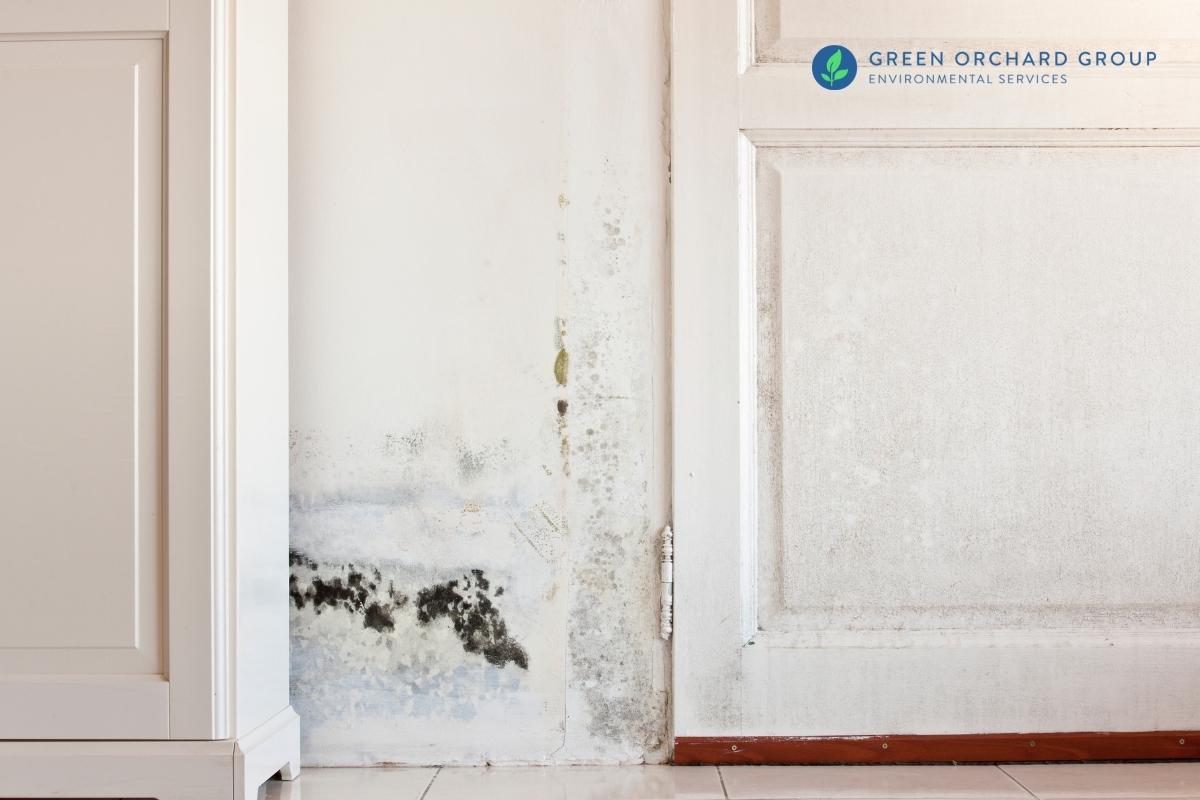
If you believe you’re having symptoms of mold exposure, let a doctor know. It can be hard to tell if mold, another condition, or a type of allergy is causing your symptoms. Your doctor may offer you skin or blood tests to determine whether you truly have a mold allergy. Mold allergies occur when your immune system overreacts to certain types of mold, which your body considers to be an allergen. This can result in symptoms such as sneezing and nasal congestion. Discoloration that manifests as irregular patches of black, green, brown, or even yellow can be a telltale sign of mold on ceilings and walls.
If you discover something unusual, check both sides of the carpet and padding. Besides allergens, mold can pose other health risks to susceptible people. For example, mold can cause infections of the skin or mucous membranes. Generally, however, mold doesn't cause systemic infections except for people with impaired immune systems, such as those who have HIV/AIDS or who are taking immunosuppressant medication. Being allergic to one type of mold doesn't mean you'll be allergic to another. Some of the most common molds that cause allergies include alternaria, aspergillus, cladosporium and penicillium.
Surface sampling may be useful to determine if an area has been adequately cleaned or remediated. Sampling for mold should be conducted by professionals who have specific experience in designing mold sampling protocols, sampling methods, and interpreting results. See a healthcare provider if you have black mold allergy symptoms, especially if they affect your day-to-day quality of life.
On average, mold remediation costs around $2,254, but this will depend on the size of the home, the extent of the problem, and the type of mold, among other factors. Black mold spores in air vents can be dispersed to the rest of the home anytime the system turns on. If these spores land in a place where conditions are favorable to mold, they will begin to grow and spread.
Most people regularly breathe in mold spores without experiencing any health complications. However, people with certain health conditions may be at risk of a lung infection or other infections from inhaling certain types of mold. The structural integrity of wood can also be compromised if mold has been left untreated for an extended period. At the unwelcome discovery of mold, a flood of concerns may arise, and for good reason.
Once mold begins growing on wood, brick, or insulation it’s a hassle to remove. If moisture is allowed to enter your attic it can provide the perfect storm for mold growth. The problem with mold in the attic is we rarely venture into the attic and might not recognize it for months. Moisture problems occur in basements because they are built into the soil. The water level of your geographical area matters and the type of soil plays a role in whether you might have moisture issues.
Investigating hidden mold problems may be difficult and will require caution when the investigation involves disturbing potential sites of mold growth. For example, removal of wallpaper can lead to a massive release of spores if there is mold growing on the underside of the paper. If you believe that you may have a hidden mold problem, consider hiring an experienced professional. In most cases, if visible mold growth is present, sampling is unnecessary. Since no EPA or other federal limits have been set for mold or mold spores, sampling cannot be used to check a building's compliance with federal mold standards.
It may be worth peeling back the wallpaper or scraping away paint in one of the affected areas to check for visible mold growth on the surface of the wall. It isn’t advisable to paint over mold, as the growth is likely to continue to reappear over time. Areas in homes that are commonly vulnerable to moisture issues include basements, bathrooms, kitchens, crawl spaces, attics, and the areas around windows or door frames. The moisture accumulation might stem from poor ventilation, leaking roofs or pipes, or groundwater seepage, or it might be due to external factors, such as being in a high rainfall zone. Homes that have been affected by flooding or have unresolved water damage can also become mold hot spots. Removing excess moisture can stop a mold problem from progressing, but the mold itself will need to be removed in order for it to go away completely.
By being vigilant and looking for signs of mold growth, you can take steps to protect your health and keep your house free of mold. Inspect buildings for evidence of water damage and visible mold as part of routine building maintenance. Correct conditions causing mold growth (e.g., water leaks, condensation, infiltration, or flooding) to prevent mold growth. Molds also produce microbial volatile organic compounds (mVOCs), which create an unpleasant “moldy” or musty smell. If you have allergies, you can have allergy symptoms from the spores or mVOCs.
Symptoms of mold and toxic mold exposure can be combated if you know what to look for. Mold growing in homes and buildings indicates that there is a problem with water or moisture. Some physicians can do allergy testing for possible allergies to mold, but no clinically proven tests can pinpoint when or where a particular mold exposure took place. During a blood test, your healthcare provider will use a thin needle (slightly smaller than the size of a standard earring post) to withdraw a small amount of blood from a vein in your arm. The lab test measures the amount of IgE in your blood that binds to black mold. In fact, since moisture often leads to mold growth, if you have one you’ll probably have the other.


No comments:
Post a Comment